

There’s something about Dandeli that hits different the moment you leave the highway and enter the thick canopy of the Western Ghats. The air changes—cooler, heavier with the smell of wet earth and teak leaves. The noise of traffic fades into a symphony of cicadas and the distant rush of the Kali River. If you’re craving a quick escape that doesn’t skimp on adventure, Dandeli is arguably the most underrated weekend destination in Karnataka.
I’ve lost count of how many times I’ve recommended a Dandeli 1 night 2 days package to friends who are burned out from Bangalore’s traffic or Goa’s overcrowded beaches. Two days is the sweet spot here. It’s enough time to raft down rapids, spot a Malabar giant squirrel during a morning trek, and still make it back to your desk by Monday morning without feeling rushed. But here’s the thing—Dandeli rewards the traveler who plans just enough to let the unexpected moments happen. The spontaneous coracle ride when the guide has extra time. The extra cup of chai by the riverside because the rain decided to pause. That’s the magic.
Day One: Arrival, Adrenaline, and Riverside Evenings
Most travelers roll into Dandeli by late morning, especially if you’re driving down from Bangalore, Pune, or Goa. The journey itself is a preview of what’s coming—winding roads cutting through dense forests, occasional glimpses of the Kali River glinting between the trees, and if you’re lucky, a langur troop crossing the road without a care in the world. By the time you reach your accommodation, you’re ready for lunch.
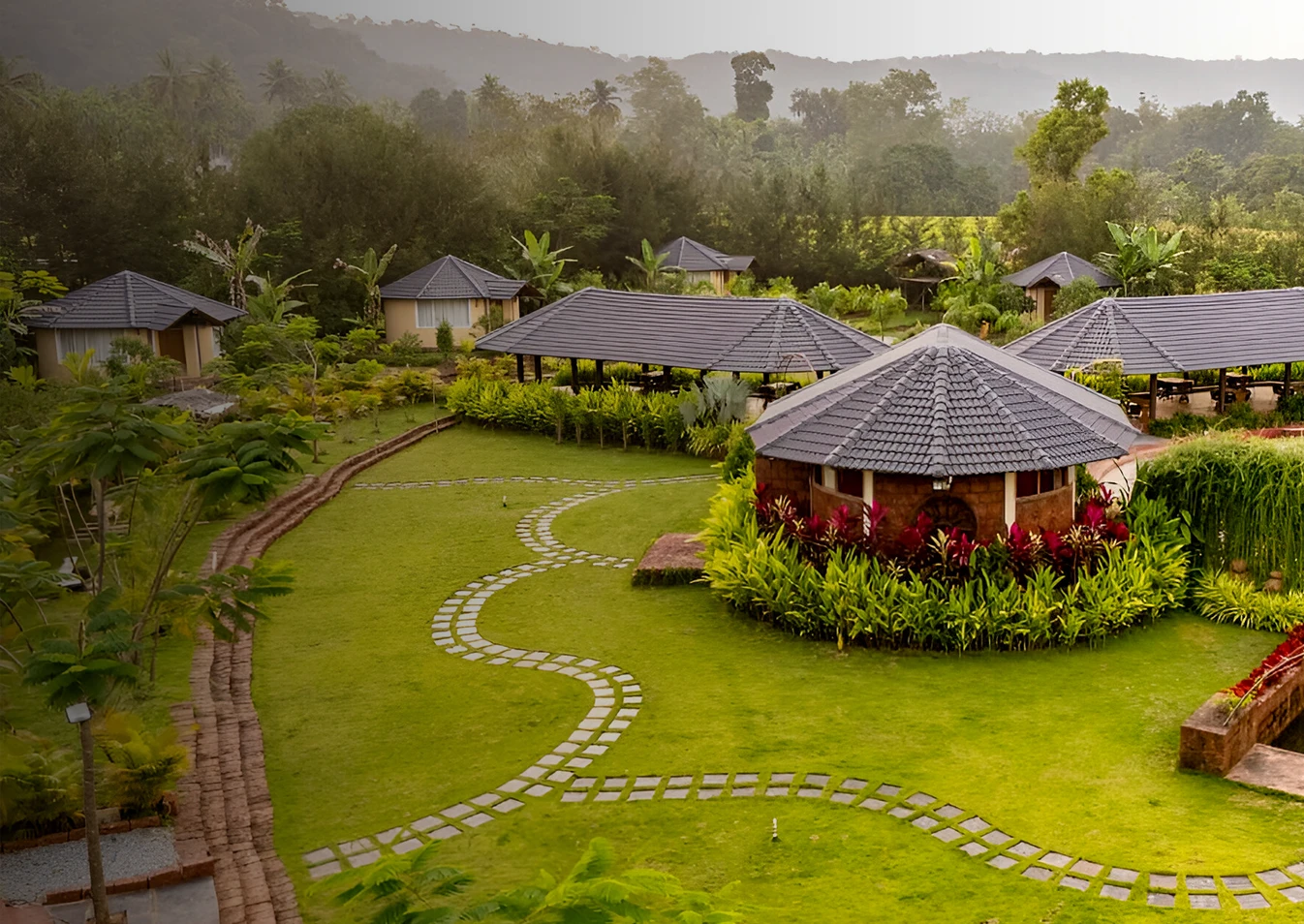
Now, choosing where you base yourself matters more than people realize. Dandeli isn’t a place where you want to stay ten kilometers away from the action and spend half your trip commuting on bumpy village roads. You want to be close to the river, close to the forest, and close to the activity hubs. A good dandeli resort package doesn’t just give you a bed for the night—it becomes your launchpad for everything that follows. Properties that sit along the riverbank offer something hotels in cities never can: the sound of water lulling you to sleep and mist rising off the forest floor while you sip your morning coffee.
After settling in and a quick lunch—usually a simple but hearty spread of local Karnataka cuisine with rice, sambar, fresh river fish, and maybe some jackfruit curry if it’s in season—the afternoon is when Dandeli shows off its wild side.
White water rafting on the Kali is the headline act, and for good reason. The rapids here range from Grade 2 to Grade 3, which means they’re thrilling enough to get your heart racing but manageable enough for first-timers. The water is surprisingly warm, and the guides are locals who grew up on this river. They know every rock, every swirl, and they have a habit of cracking jokes right before you hit a rapid, which somehow makes the splash feel less terrifying. A typical rafting session lasts about two hours, and by the end, even the most anxious participants are grinning ear to ear.
If rafting isn’t your speed, ziplining across the river is a quieter kind of thrill. You’re harnessed in, and for a few seconds, you’re flying over the Kali, looking down at the green water rushing beneath your feet. It’s over too fast, but the memory sticks with you. Some resorts also offer kayaking, which lets you explore the river at your own pace, paddling into quiet coves where the current slows down and kingfishers dive from overhanging branches.
By late afternoon, the energy shifts. The adrenaline settles into a calm, lazy river vibe. Most organized camps and riverfront properties arrange a coracle ride—these round bamboo boats that have been used on the Kali for generations. Your boatman, usually an elderly local with forearms like tree roots, poles you upstream against the current. The water is so clear in the shallows you can see fish darting between the rocks. If the light is right, the whole river turns gold, and for a moment, you forget about your phone, your deadlines, and everything waiting back home.
Evenings in Dandeli are deliberately slow. After a hot shower and a change of clothes, you gather around a campfire. Someone inevitably starts playing a guitar badly, and nobody minds. Dinner is served under the stars—grilled vegetables, chicken, maybe some local delicacies. The forest around you is alive with night sounds. You might hear the distant call of a barking deer or the rustle of leaves as a civet cat moves through the undergrowth. By 10 PM, most people are in bed, exhausted in the best possible way, because tomorrow starts early.
Day Two: Forests, Wildlife, and Reluctant Goodbyes
The alarm goes off at 6 AM, and for once, you don’t hit snooze. Morning in Dandeli is when the forest is most alive. After a quick cup of strong coffee, you head out for a jungle safari in the Dandeli Wildlife Sanctuary. The sanctuary covers over 800 square kilometers, and the morning mist hangs low between the trees as your jeep rattles down the forest trail.
Your guide scans the canopy with binoculars, looking for signs of movement. Dandeli is one of the few places in India where you still have a realistic chance of spotting a black panther, though they remain elusive and sightings are rare enough to feel like a genuine privilege. More commonly, you’ll see spotted deer grazing in clearings, wild boar rustling through the undergrowth, gaur moving in herds, and a staggering variety of birds. The Malabar pied hornbill is practically a local celebrity here, and if you’re into birding, the checklist runs into the hundreds. The great hornbill, with its massive yellow casque and wings that sound like a helicopter when it flies, is the prize sighting, and guides get almost as excited as tourists when one flaps overhead.
After the safari, breakfast back at the resort feels well-earned. Idlis, vadas, fresh fruit, and more coffee. The pace on day two is intentionally slower. Some people opt for a nature walk with a local guide who points out medicinal plants, explains which berries are edible, and shows you termite mounds that are older than most city buildings. Others simply lounge by the river, reading a book, letting the sound of water do what weeks of meditation apps couldn’t.
By late morning, it’s time to pack up. Checkout is usually around 11 AM, and as you drive out of Dandeli, there’s always a moment of hesitation. Should you have stayed another day? The answer is usually yes, but even one night and two days here leaves you with a full tank of peace. The city stress feels further away than it actually is.
Why Your Choice of Stay Defines the Trip
I’ve stayed in everything from budget camps to mid-range jungle lodges in Dandeli, and I can tell you without hesitation that your accommodation choice shapes the majority of your experience. This isn’t a destination where you just need a clean room and Wi-Fi. You need proximity to the river, access to in-house activities, and hosts who actually know the forest.
When travelers ask me where to stay, I always point them toward a reliable resort in dandeli that sits within the ecosystem rather than outside it. Properties that are integrated into the riverside landscape offer seamless access to rafting points, coracle rides, and night trails. You don’t want to waste your limited two days driving back and forth between your hotel and the activity zones.
A good resort here also handles the logistics that can otherwise trip you up. They arrange your rafting permits, coordinate with the forest department for safaris, and know which guides are genuinely knowledgeable versus which ones are just going through the motions. Plus, the food matters. After a day of paddling and trekking, you want a kitchen that serves fresh, hot meals with local flavor, not generic buffet fare.
The best properties also offer evening entertainment that doesn’t feel forced—maybe a local folk performance, a stargazing session, or simply a well-placed hammock facing the river. These are the details that turn a standard package into a memorable getaway.
Adding the Netravati Trek to Your Itinerary
If you have even half a day to spare before heading back, the Netravati peak trek is worth every minute of the extra effort. Located a short drive from Dandeli, this trail takes you through some of the most untouched shola forests in the region. The path winds alongside the Netravati River, crossing shallow streams and opening up into clearings where the canopy breaks and sunlight floods the forest floor.
The trek is moderate in difficulty—steep enough to feel like a workout, but not so technical that you need gear beyond good shoes and a water bottle. What makes it special is the solitude. Unlike some of the more popular trekking routes in Karnataka that have begun to feel crowded on weekends, Netravati still feels like a secret. Your guide might point out a giant spider web glistening between two ferns, or stop to let you taste wild honey from a hive high in a tree.
For anyone planning this route, booking a dedicated Netravati trekking package takes the hassle out of permits and transport. The local operators know the trail conditions, which vary dramatically after monsoons, and they carry emergency supplies that independent trekkers often forget. It’s the kind of add-on that fits perfectly into a Dandeli weekend without requiring an extra overnight stay.
The Gokarna Connection: Beach Meets Jungle
Here’s a combination that more travelers should consider but rarely do. Gokarna, with its laid-back beaches and temple town charm, sits just a few hours from Dandeli. The contrast between the two destinations is what makes the pairing so compelling. You get the adrenaline and green wilderness of Dandeli followed by the salt air and slow sunsets of Gokarna. Many travelers now plan a Dandeli Gokarna tour that bridges both worlds in a single long weekend, starting with beach time and ending with river rapids, or vice versa. It’s the kind of trip that gives you two completely different versions of Karnataka in just a few days.
Practical Tips for Your Dandeli Trip
The best time to visit Dandeli is between October and May. The post-monsoon months of October and November are particularly gorgeous because the forest is lush, the river is full but not violent, and the waterfalls are still active. December through February brings cooler mornings—sometimes down to 15°C—so pack a light jacket for the safari. March to May is warmer, but the river activities are at their peak.
Pack minimally but smartly. Good trekking shoes with grip are non-negotiable. The trails and riverbanks get slippery. Carry a reusable water bottle, sunscreen, and a hat. Mosquito repellent is useful in the evenings. And bring a power bank—electricity can be intermittent in some of the more remote properties, though most resorts now have backup power.
Booking your activities in advance is essential, especially rafting. The forest department limits the number of daily rafting slots to manage river safety, and weekend slots fill up fast. If you’re staying at a well-connected resort, they typically handle this for you, but it never hurts to confirm.
Final Thoughts
A Dandeli 1 night 2 days package is proof that you don’t need a week-long vacation to reset your mind. In just 48 hours, you can paddle through rapids, spot wildlife in its natural habitat, sleep under a canopy of stars, and eat food that tastes better simply because of where you’re eating it. The key is to let Dandeli unfold at its own pace. Don’t over-schedule. Leave gaps in your itinerary for the unplanned coracle ride, the unexpected bird sighting, the conversation with a local guide who has spent his entire life in these forests.
Whether you’re coming from Bangalore, Mumbai, Goa, or Hyderabad, Dandeli meets you halfway with adventure and calm in equal measure. Choose your stay wisely, respect the forest, and you’ll leave already planning your return trip.