
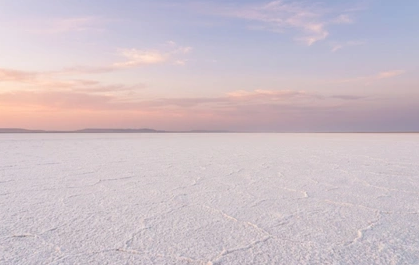

Three days in Kutch. People tell me it is not enough. I respectfully disagree, because three days, structured correctly and prioritised deliberately, can deliver the complete emotional arc of the Rann Utsav experience: the cultural richness of a craft village morning, the visual spectacle of the white desert at sunset, the warmth of Kutchi food, the music of a desert night, and, if you have planned around the full moon, a moment on the salt flats after dark that you will genuinely not forget. Here is exactly how to do those three days properly.
The Three-Day Philosophy: Depth Over Coverage
The mistake most first-time visitors to Kutch make, even those on a Kutch package for 3 days, is trying to see everything on the map. Kutch is enormous, the largest district in India, and covering it all in three days is impossible. What is possible in three days is covering the most meaningful experiences with enough time at each to actually feel them.
The right approach: two or three experiences per day, experienced fully, rather than five or six experiences rushed through.
Day One: Bhuj, Craft Villages, and the Journey to the Festival
Morning in Bhuj
Arrival in Bhuj is the starting point for almost all Rann Utsav trips. Use the first morning here, it sets the cultural context for everything that follows.
Aina Mahal: the Palace of Mirrors, is genuinely extraordinary. The eighteenth-century craftsmanship inside it, the gilded tiles, the mirror work, and the royal history it contains, prepare you for the craft traditions you will encounter throughout the trip in a way that no briefing can replicate.
Bhujodi weaving village: seven kilometres from Bhuj, this is where the Rabari weavers produce the distinctive double-ikat textiles that Kutch is famous for. Spend real time here, not a fifteen-minute stop, but a genuine hour or two. Watch the looms. Speak to the weavers through your guide. Buy something you understand rather than something you stumbled upon.
Afternoon: Drive to Dhordo and Check In
The drive from Bhuj to the festival grounds at Dhordo takes approximately ninety minutes and passes through landscapes that shift gradually from city outskirts to open, windswept semi-desert. This transition is nothing it is a physical entry into a different world, and watching it happen through the window is itself part of the experience.
Check in, settle, and resist the urge to immediately rush to the Rann. You will be there at sunset.
Evening: Sunset Rann Visit and Cultural Programme
Your first Rann of Kutch Festival rann utsav packages evening experience. The guided sunset visit to the white salt desert, followed by the cultural programme at the festival village, is the emotional centrepiece of the first day. Do not photograph everything; occasionally put the camera down and simply experience where you are.
Day Two: The Full Desert Experience and the Craft Market
Dawn: The Rann Before Everyone Arrives
This is the secret move that most package itineraries do not include, but it is worth asking about and arranging. The white desert at dawn, before the other visitors have arrived, is a completely different experience from the sunset visit. The light is soft and horizontal, casting long shadows across the salt crust. The silence is absolute. Carry your chai in a flask. Stay until the sun is fully risen.
Mid-Morning: The Craft Market Properly
Return for breakfast, then spend a proper two hours at the craft market, not as a shopping exercise, but as a cultural one. The Rann Utsav craft market brings together artisans from across Kutch, and the range of what is on display, embroidery traditions from six or seven different communities, ajrakh block printing, Rogan art, copper bells from Nirona, lacquerware, is extraordinary.
Afternoon: Hodka Village
Hodka is a twenty-minute drive from Dhordo and is the experience that most genuinely surprises first-time visitors to the rann utsav packages programme. The traditional Kutchi bhunga dwellings, circular mud and mirror-work structures, are still lived in here. Walking through the village with a guide who knows the families and the traditions adds a human dimension to the craft culture that the festival market, wonderful as it is, cannot fully replicate.
Evening: Cultural Programme and Full Moon (if applicable)
If your second evening coincides with the full moon, stay on the desert as long as you can.
Day Three: Kala Dungar and Departure
Morning: Kala Dungar Before the Heat
Kala Dungar, the Black Hills, is the highest point in Kutch at 462 metres, with panoramic views across the Rann in one direction and the Banni Grasslands in the other. The drive up is dramatic. The views from the summit are genuinely breathtaking. The Dattatreya temple at the summit has a centuries-old tradition of feeding jackals, an unexpected wildlife encounter that stays with most visitors.
Allow two hours for the Kala Dungar visit before returning to Bhuj for your return journey.
The Three-Day Summary
| Day | Morning | Afternoon | Evening |
| Day 1 | Bhuj and Bhujodi | Drive to Dhordo, check in | Sunset Rann, cultural programme |
| Day 2 | Dawn Rann visit | Craft market, Hodka village | Cultural programme, full moon |
| Day 3 | Kala Dungar | Return to Bhuj for departure | – |
Conclusion
A Kutch package, structured as above, delivers the Rann Utsav experience in its fullest meaningful form, the cultural depth, the natural spectacle, and the human connection that makes this part of India genuinely special. Rann of Kutch Festival designs three-day packages with exactly this philosophy, ensuring that every hour of the trip is used with intention and that every traveller leaves Kutch understanding why this place is worth returning to.